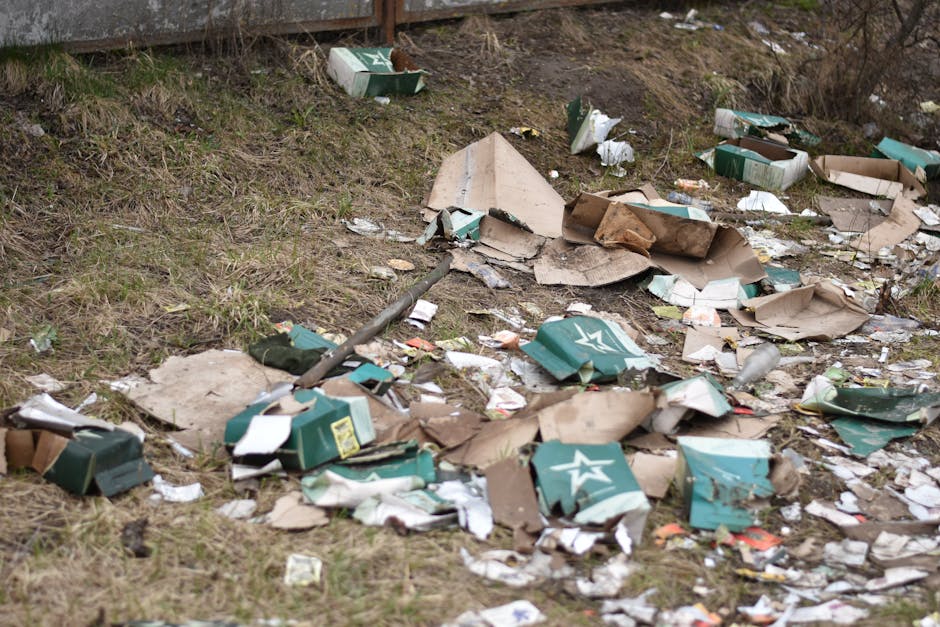
Dealing with Fly-tipping in Sydenham Alleys and Footpaths
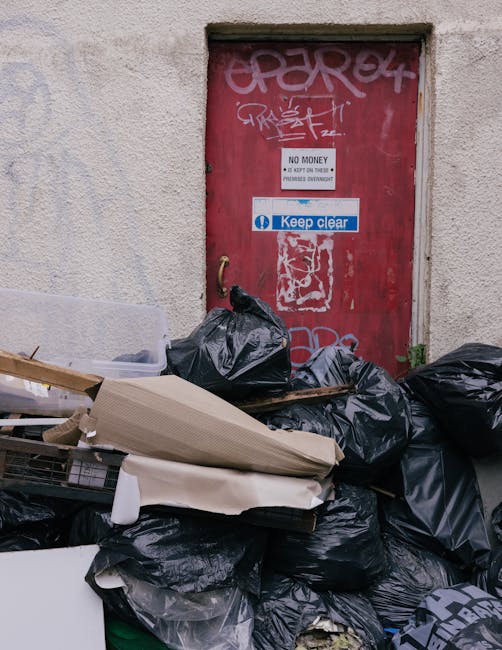
Fly-tipping in Sydenham alleys and footpaths is more than an eyesore. It blocks access, attracts pests, makes narrow routes feel unsafe, and can turn a quiet shortcut into a daily annoyance. If you have ever walked past a dumped mattress, broken furniture, bin bags or builder's rubble squeezed into a back passage, you will know the feeling immediately: a small problem that suddenly feels bigger than it should.
This guide explains Dealing with Fly-tipping in Sydenham Alleys and Footpaths in a practical, local way. We will cover what it usually involves, why it matters, how removal and reporting typically work, what to avoid, and how to reduce repeat dumping. Along the way, we will also look at safe clearance options, responsible disposal, and the kind of follow-up that helps keep shared routes usable. Nothing fluffy. Just a clear, grounded walkthrough for real life.
- Why it matters
- How it works
- Key benefits
- Who this is for
- Step-by-step guidance
- Expert tips
- Common mistakes
- Tools, resources and recommendations
- Law, compliance and best practice
- Options and comparison
- Real-world example
- Practical checklist
- Conclusion
- Frequently asked questions
Why Dealing with Fly-tipping in Sydenham Alleys and Footpaths Matters
Alleys and footpaths are usually the quiet links in a neighbourhood. They connect homes, side streets, gardens, garages and local shortcuts. When rubbish is dumped there, the effect is immediate. A blocked pathway can force people into the road, make wheelchair access harder, create trip hazards, and leave residents wondering whether the area is being looked after at all.
In Sydenham, where many people rely on compact streets, shared access routes and tucked-away pedestrian passages, the issue can feel especially personal. A single pile of waste can sit there for days if nobody takes responsibility. And let's face it, the longer it stays, the more likely other items get added on top. One bag becomes three. A chair becomes a sofa. Then it starts looking less like an isolated mess and more like a magnet.
There is also a trust element. When a path looks neglected, people may use it less, children may avoid it, and neighbours may become less willing to report problems. That matters. A route that should feel ordinary starts to feel off. A bit grim, even.
Quick takeaway: the faster fly-tipping is dealt with, the easier it is to restore access, reduce anti-social behaviour, and stop a minor dump from becoming a recurring hotspot.
How Dealing with Fly-tipping in Sydenham Alleys and Footpaths Works
Dealing with fly-tipping is usually a combination of assessment, safe clearance, sorting, and responsible disposal. The exact process depends on where the waste is, what it contains, and whether it is on private land, a shared access way, or a route that may be maintained by a local authority or managing agent.
In simple terms, the usual flow looks like this:
- Identify the waste - check what has been dumped, whether it is bulky, sharp, leaking, or hazardous.
- Establish access and ownership - is the alley shared, private, or part of a managed block?
- Make the area safe - keep people away if glass, needles, chemicals, or unstable objects are present.
- Arrange removal - sort recyclable items from mixed rubbish where possible.
- Dispose properly - the waste should go to an authorised facility or reuse/recycling route, not simply be shifted elsewhere.
- Reduce repeat dumping - lighting, signage, gate control, reporting habits, and regular tidying all help.
In practice, the challenge is rarely the lifting alone. The real work is in judging the waste correctly. A pile in a footpath might look harmless from a distance, but up close it could include broken timber, builders' debris, old paint tins, contaminated soft furnishings or even household chemicals. That is why a careful approach matters more than brute force.
For people dealing with larger or mixed rubbish, it can help to look at related services such as waste removal or, where the dumped material includes bulky household items, furniture disposal. If the fly-tipping came from a renovation or DIY job, builders waste clearance may be more relevant. Different waste, different handling. Simple, but easy to get wrong.
Key Benefits and Practical Advantages
When fly-tipping is dealt with quickly and properly, the benefits go beyond "it looks nicer." That is only the surface of it.
- Safer access - people can move through alleys and footpaths without stepping around hazards.
- Better hygiene - fewer rats, flies, odours and damp waste piles.
- Lower nuisance - less temptation for others to add more rubbish.
- Improved pride in the area - people are more likely to keep spaces tidy when they feel they matter.
- Less damage to surfaces and boundaries - dumped waste can stain paving, block drains, or damage gates and fencing.
- More effective prevention - once a route is cleared, it is easier to spot patterns and close the loop.
There is also a practical financial advantage. Clearing waste early can be easier and less involved than waiting until it spreads, becomes compacted, or starts attracting mixed rubbish. A narrow footpath with one manageable pile is a different job from an alley lined with broken bags, a mattress, plasterboard, and a couple of mysterious cardboard towers that have started to collapse in the rain. Not ideal.
For households that need to clear unrelated items from inside the property at the same time, options like home clearance, house clearance or flat clearance can make planning easier. That can be especially useful if the dumped waste came from a move, a loft tidy-up, or a general declutter and you want the whole job dealt with in one coordinated visit.
Who This Is For and When It Makes Sense
This topic is relevant to more people than you might think. It is not just for landlords or managing agents. In Sydenham, fly-tipping in alleys and footpaths can affect all sorts of people.
- Residents who share access routes or live near rear lanes and side passages.
- Landlords and property managers responsible for communal or private access spaces.
- Businesses that back onto service alleys or use footpaths for deliveries and collections.
- Builders and tradespeople who need to keep waste from ending up where it should not be.
- Households downsizing or clearing out who want legal disposal and good planning.
- Anyone noticing repeat dumping and trying to understand the next sensible step.
It makes sense to act as soon as waste appears, rather than waiting for it to become a bigger complaint. The "I'll sort it tomorrow" approach has a habit of turning into "why is that still there next week?" Truth be told, that happens more often than people like to admit.
If the issue is part of a wider clearance project, it may also be worth reviewing related pages such as garage clearance, loft clearance, or garden clearance. Those are useful when the dumped material is not the only clutter in play and you want the whole property back under control.
Step-by-Step Guidance
If you are dealing with fly-tipping in a Sydenham alley or footpath, a calm, practical process works best. No drama. Just sensible steps.
1. Check the scene before touching anything
Look at what has been dumped. Is it mainly dry household waste, broken furniture, builders' rubble, bagged rubbish, or something that could be hazardous? If you see sharp metal, broken glass, syringes, oil, paint, chemicals, or anything leaking, do not handle it casually.
2. Keep people away if there is any risk
A narrow passage can be awkward. If the waste blocks the route or creates a trip hazard, keep children, pets and delivery users away until it has been assessed. A small warning note or temporary barrier can help if the waste is on private land.
3. Decide who is responsible for the space
Ownership matters. Some alleys are privately maintained, some are shared, and some footpaths involve different responsibilities depending on location and access rights. If you are unsure, it is better to check than to guess and end up paying to remove waste that should have been dealt with elsewhere.
4. Separate obvious items if it is safe to do so
Only separate items you can handle safely. For example, cardboard, old chair frames, and bagged non-hazardous waste may be sorted into recyclable and general waste streams. But if there is any doubt, leave it. No heroics needed.
5. Arrange collection or clearance
For larger piles, mixed rubbish, or recurring dumping, booking a proper clearance is usually the most efficient route. A professional team can remove items quickly and help ensure they are handled responsibly. If business premises are involved, business waste removal may be a better fit, especially where the waste includes packaging, stock waste, office furniture or regular non-household items.
6. Photograph and document the issue
Keep a simple record of the waste before it is moved. Photos can help if the problem repeats, if there is a dispute over ownership, or if you need to show the scale of the issue to a manager, landlord or contractor.
7. Follow up after clearance
Once the alley or footpath is clear, take a proper look at what made it an easy dumping spot. Is the lighting poor? Is a gate left open? Are bin stores overflowing? A bit of follow-up now can save another mess later.
Expert Tips for Better Results
These are the things that make a real difference, especially in tight urban access routes where everyone is trying to get through quickly.
- Clear quickly, then tidy the edges. A removed pile can still leave loose debris, nails, splinters or stains behind.
- Watch for mixed waste. Fly-tipped rubbish often looks simple until you start opening bags. Mixed waste changes the handling approach.
- Use the right disposal route. Garden waste, household rubbish, furniture, builders' debris and office items should not all be treated the same way.
- Think about repeat patterns. If waste appears at the same point in the alley, the problem is likely behavioural, not random.
- Keep communication clear. Neighbours, landlords, caretakers and contractors should all know what has happened and what is being done.
One small but useful habit is to make the space look cared for after clearance. Sweep up, remove cardboard fragments, check for broken glass in corners, and make sure the route does not still look abandoned. It sounds obvious. Yet that last ten percent is often what changes how people treat the place next time.
If the waste is old furniture or worn-out household items, it may help to review the difference between furniture clearance and disposal-focused options. They are close cousins, but not identical. The right choice depends on condition, access and whether items can be reused, recycled or simply removed for responsible processing.
Common Mistakes to Avoid
Fly-tipping jobs often go sideways in predictable ways. Avoiding these mistakes saves time, money and a fair bit of annoyance.
- Leaving it "for now" - delay usually makes the job bigger.
- Assuming someone else owns the issue - check first, then act.
- Moving waste without checking for hazards - bags can hide glass, liquids or contaminated items.
- Mixing clean recyclables with general rubbish - that can reduce recycling opportunities.
- Using the wrong clearance type - for example, treating builders' waste as household waste.
- Ignoring access control - if the route stays easy to enter, dumping may continue.
- Forgetting to document repeat incidents - patterns matter.
And yes, there is always that one person who thinks a pile of waste will simply vanish if nobody mentions it. Spoiler: it rarely does.
Tools, Resources and Recommendations
You do not need a huge toolkit to deal with fly-tipping properly, but a few practical items make the work safer and cleaner.
- Heavy-duty gloves for safe handling of sharp or dirty materials.
- Closed shoes or boots for foot protection in narrow alleyways.
- Bin bags or rubble sacks for small, safe, non-hazardous items.
- Broom and shovel for loose debris after removal.
- Torch or portable lighting for dim footpaths, especially in early morning or evening.
- Phone camera for before-and-after documentation.
- Simple notes log to track dates, repeat dumping spots and any witness details.
On the service side, it can be useful to think in categories rather than just "rubbish." For example, office clearance is a better fit for commercial furniture and work items, while garage clearance may suit a mixed domestic load with tools, boxes and old storage items. Choosing well helps waste go to the right place, which is the whole point really.
If you are checking how a provider operates, recycling and sustainability information can tell you a lot about their approach to sorting, reuse and responsible disposal. It is not just a nice extra. It is often where the difference between tidy removal and proper handling shows up.
Law, Compliance, Standards, or Best Practice
Fly-tipping is not simply untidy; it can involve legal and environmental responsibilities. The exact duties vary depending on who owns or manages the land, the type of waste involved, and whether any hazardous material is present. It is wise to be careful here rather than overstate certainty.
In the UK, the basic best practice is straightforward:
- Do not dump waste in alleys or footpaths, even if it seems out of sight.
- Use authorised disposal routes for household, business, bulky, or construction waste.
- Keep records where the waste has been moved, especially for business or managed-property clearances.
- Take extra care with potentially hazardous materials such as paint, chemicals, sharps or electrical items.
- Follow site-specific safety procedures if the space is communal, restricted or poorly lit.
For commercial or contractor-related waste, the expectations are generally higher. Business waste should be managed in a traceable, compliant way, and the person producing the waste should know where it is going. That is where responsible services and documented processes matter. If you need more detail on how a provider approaches safe working, health and safety policy, insurance and safety, and terms and conditions can be worth reviewing before you book anything.
Also, if a dispute arises about what can be cleared or how access is handled, clear written terms help everyone stay on the same page. Not glamorous, perhaps, but it saves headaches.
Options, Methods, or Comparison Table
There are a few ways to deal with fly-tipping in Sydenham alleys and footpaths. The right choice depends on the size of the mess, whether the waste is hazardous, and how quickly access needs to be restored.
| Method | Best for | Advantages | Limitations |
|---|---|---|---|
| Self-clearance | Small, safe, non-hazardous waste | Quick if the pile is minor and access is easy | Riskier if the waste is mixed, heavy or sharp |
| Managed-property response | Communal alleys, blocks, shared footpaths | Useful where responsibility is split between parties | Can be slower if approval is needed first |
| Professional waste removal | Bulky, mixed or recurring dumping | Efficient, safer and usually more thorough | Needs proper booking and access information |
| Specialist clearance type | Furniture, garden, builders' or business waste | Better sorting and disposal matching | Requires choosing the right service category |
If you are deciding between methods, ask yourself one simple question: what will actually solve the problem, not just move it around? That tends to cut through the noise quickly.
Case Study or Real-World Example
A typical scenario might look like this. A shared alley behind a Sydenham terrace has been used for occasional deliveries and bins. One Monday morning, a resident notices two black bags, a broken kitchen chair, packaging, and a couple of dusty plasterboard offcuts squeezed beside the gate. By Wednesday, someone has added an old side table and a bag of mixed rubbish. By Friday, there is a smell. Nothing dramatic, but enough to make the route unpleasant.
The sensible response is not to wait for a formal complaint chain to run itself. First, the waste is photographed and checked for hazards. Then the access arrangement is confirmed, because the alley is shared between several properties. A clearance is arranged for the mixed waste, with the more awkward items separated where safe. After removal, the surface is swept and the gate is checked, because it had been left slightly ajar more than once.
What changed next was not magic. Better visibility, a quicker reporting habit, and a tidier finish reduced repeat dumping. A simple sign on the gate helped too. Not perfect, but noticeably better. Sometimes that is the realistic win: fewer incidents, faster response, less frustration.
In a slightly different case, where the dumped items came from a loft clear-out and included old furniture and stored household clutter, a combined approach using loft clearance plus appropriate disposal made more sense than treating each item separately. That kind of joined-up decision is often what saves time in the end.
Practical Checklist
Use this checklist when dealing with fly-tipping in Sydenham alleys and footpaths.
- Confirm the location and whether access is shared, private or managed.
- Check for hazards before touching anything.
- Keep people away if there is a trip, cut or contamination risk.
- Take clear photos from a safe distance.
- Note the date, time and any repeat pattern you have noticed.
- Identify the waste type: household, furniture, garden, builders' or business waste.
- Choose the right clearance route rather than the nearest convenient one.
- Arrange responsible removal and disposal.
- Sweep up loose debris and check corners, gates and blind spots.
- Look at prevention: lighting, access control, bin storage and neighbour communication.
If your issue is tied to a larger property clean-out, it can also be useful to review garage clearance or furniture clearance so you are not dealing with one dumped item at a time. That way, the whole space gets back to normal faster.
Get a free quote today and see how much you can save.
Conclusion
Dealing with fly-tipping in Sydenham alleys and footpaths is really about restoring safe, usable space and stopping the cycle from repeating. The best results usually come from a careful first look, the right removal method, and a simple follow-up plan that makes dumping less likely next time.
In a place like Sydenham, where shared access routes matter so much to daily life, a clean alley is not a luxury. It is part of how the neighbourhood functions. And when it is done properly, you feel the difference straight away. The route is easier to use, the air feels less stale, and everyone just breathes a little easier.
If you are facing a current dumping problem, the next sensible step is to assess the waste safely, choose a proper clearance route, and act before the pile grows. Small action now can save a lot of bother later. That's usually how the quiet wins happen.
Frequently Asked Questions
What counts as fly-tipping in an alley or footpath?
Fly-tipping is the illegal dumping of waste in a place where it should not be left. In alleys and footpaths, that can include bin bags, furniture, builders' waste, household rubbish, appliances or even small piles that people keep adding to.
Who is usually responsible for clearing dumped waste?
Responsibility depends on whether the land is private, shared, managed or maintained by another party. In some cases it is the landowner or manager; in others, a local authority may be involved. It is best to confirm ownership before arranging removal.
Is it safe to move fly-tipped rubbish myself?
Only if the waste is small, safe and clearly non-hazardous. If there are sharp items, liquid leaks, heavy objects, chemicals or unknown materials, it is wiser not to handle it directly.
What should I do first if I find fly-tipping in a Sydenham footpath?
Take a careful look from a safe distance, photograph the scene, and check for hazards. Then work out whether the waste is on private or shared land and decide the most suitable clearance route.
Can fly-tipped furniture be removed with general waste?
Sometimes, but not always. Furniture often needs a specific clearance approach because of its size, material mix and disposal requirements. A dedicated furniture service is often more efficient.
How do I stop people dumping rubbish in the same alley again?
Prevention usually involves better lighting, keeping gates shut, reducing blind spots, improving bin storage and responding quickly when waste appears. Repeated dumping often means the site is easy to target.
Is fly-tipping in communal alleys a legal issue?
Yes, it can be. Illegal dumping may have legal consequences for the person responsible, and property managers or owners may have duties to manage waste safely and prevent hazards on the land.
What if the dumped waste includes builders' rubble?
Builders' rubble should be handled as construction-related waste, not ordinary household rubbish. It is often heavier, dustier and more awkward to move, so a specific builders' clearance approach is usually best.
Should I report the waste before arranging clearance?
If the waste is on a route that may fall under another party's responsibility, reporting it first can be sensible. If it is on private or managed land you control, you may prefer to arrange removal directly, especially if access is blocked.
How fast should fly-tipping be removed?
As fast as practical. The longer it stays, the more likely it is to spread, attract pests, or draw more dumping. Early removal usually makes everything easier.
Can fly-tipped waste be recycled?
Some of it often can be, depending on the material and condition. Cardboard, metal, timber and some furniture components may be reusable or recyclable, but mixed or contaminated waste needs careful sorting first.
How do I know which clearance service to choose?
Match the service to the waste type. Use furniture, garden, office, house, loft or builders' clearance where relevant, and use broader waste removal when the pile is mixed. Choosing well saves time and usually improves the final result.
What makes a good fly-tipping cleanup provider?
Look for clear communication, sensible handling of access issues, appropriate disposal methods, and a responsible approach to safety and recycling. The best providers do not just remove waste; they help reduce the chance of it happening again.
Can a small dumping problem really become a bigger one?
Absolutely. That is one of the annoying realities of fly-tipping. A single bag or chair can encourage more dumping if it is left in place. Quick action tends to prevent that chain reaction.