Business Rubbish Clearance Packages for Sydenham Shops
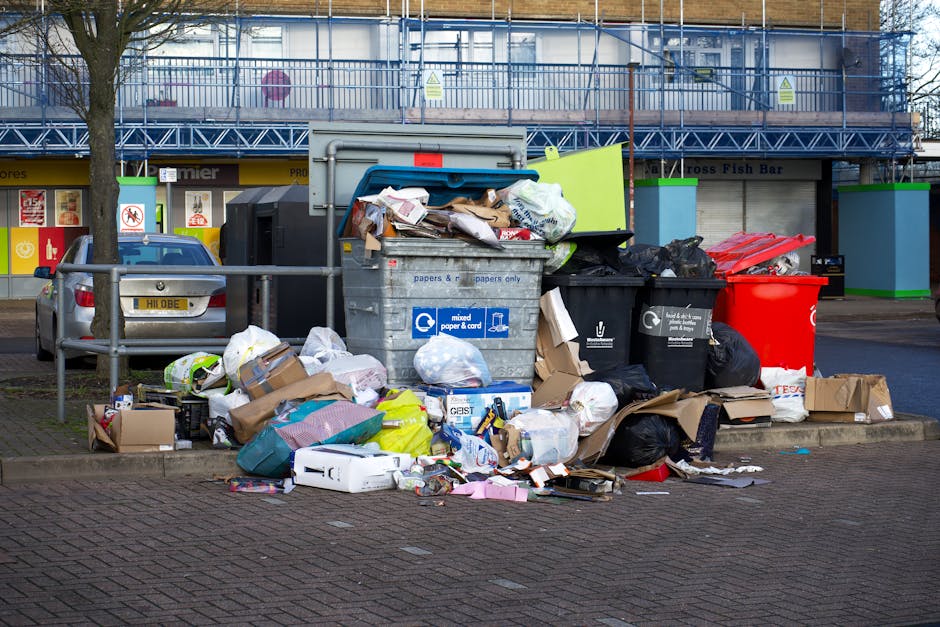
Running a shop in Sydenham means juggling customers, deliveries, stock rotation, seasonal displays, and the odd bit of chaos that seems to appear by magic. Cardboard piles up. Broken shelving gets shoved in a corner. Old POS equipment, packaging, and back-room clutter start to creep in. That's where Business Rubbish Clearance Packages for Sydenham Shops come in: a practical, organised way to clear commercial waste without turning your trading day upside down.
Done properly, a clearance package is not just "someone taking rubbish away". It is a tailored service that helps you stay tidy, avoid back-of-house bottlenecks, and keep waste handling on the right side of UK best practice. In this guide, we'll break down how these packages work, what to expect, who they suit, and how to choose a setup that actually helps your shop day-to-day. No fluff. Just the useful stuff.
Why Business Rubbish Clearance Packages for Sydenham Shops Matters
For a shop, waste is rarely just waste. It's a space problem, a presentation problem, and sometimes a compliance problem too. A cluttered stockroom slows staff down. Overflowing bags near the rear entrance can create trip hazards. Old displays and packaging in the wrong place can make a small retail unit feel cramped and frankly a bit tired.
Sydenham shops often work in tighter footprints than larger retail units, so the pressure builds quickly. One busy week of deliveries or a seasonal refresh can produce far more rubbish than you expected. A well-planned clearance package helps you deal with that reality without making it someone's "when we get time" job, because let's face it, that job usually never gets done properly.
There is also the customer-facing side. Even if rubbish stays out back, it affects how the whole business feels. A clean, organised shop tends to run more smoothly. Staff can move stock more easily. Replenishment is faster. And yes, the place usually feels calmer on a busy Friday afternoon when the bins aren't overflowing and the back room doesn't look like a storage relay race.
If your business also deals with bulky furniture, display fixtures, or refurb-related debris, you may want to explore business waste removal for regular needs and waste removal for broader clearance support. For shops planning a refit, builders waste clearance can also be relevant when the work creates heavier debris.
How Business Rubbish Clearance Packages for Sydenham Shops Works
In simple terms, a clearance package bundles together the removal of commercial waste items into a service that fits your shop's pattern of use. That might mean a one-off clearance after a refurb, or a recurring arrangement for ongoing shop waste, packaging, old fixtures, and general junk building up behind the scenes.
Most packages start with a quick assessment of what needs removing. For a small retailer, that might include cardboard, broken signage, damaged stock, out-of-date display units, packaging wrap, or unwanted furniture. A larger or busier premises may need more structured sorting, especially if items are mixed in size and weight.
The practical part is usually straightforward. The team arrives, loads the agreed waste, and takes it away for sorting, reuse, recycling, or disposal where appropriate. The useful bit is that you do not have to hire your own van, recruit staff to spend half a day dragging bags around, or wonder whether everything is being handled properly.
Some packages are designed around access and timing, which matters in Sydenham where shops may have narrow entrances, loading limits, or very little room to spare. Early morning or quieter-hour collections can make a huge difference. A five-minute handover before trading starts can save you a lot of disruption later.
For shops with furniture to remove, it may help to look at furniture clearance and furniture disposal, especially if you are replacing shelving, chairs, counters, or back-office pieces. If the items are still in reasonable shape, the removal plan may be different from a simple skip-and-toss approach.
Key Benefits and Practical Advantages
The biggest benefit is time. Shop teams are busy enough without spending hours sorting, lifting, and moving rubbish. A proper clearance package gives that time back. And in retail, time is not a vague bonus. It is the difference between catching up and falling behind.
There's also the space benefit. Many shops accumulate waste slowly: a broken display here, spare packaging there, old stock near the back wall. Before long, you lose storage capacity and staff start working around obstacles. A regular or scheduled clearance package helps keep the unit usable, not just technically tidy.
Another advantage is consistency. If waste is cleared in a predictable way, the business feels less reactive. You are not scrambling before inspections, not panicking when the bins are full, and not trying to make decisions on the fly about what can stay and what must go.
It can also support better recycling outcomes. Mixed waste is messy, and messy waste is expensive in time and effort. A thoughtful package makes it easier to separate cardboard, wood, metal, reusable furniture, and general rubbish. That matters if your business wants a more responsible approach. You can learn more about this kind of approach through recycling and sustainability.
Practical takeaway: the best clearance package is not always the biggest one. It is the one that fits your trading pattern, access constraints, and waste mix without creating avoidable disruption.
There is one more advantage that often gets overlooked: staff morale. A clear stockroom and tidy service area makes day-to-day work easier. No one loves tiptoeing around flattened boxes or trying to squeeze past a wobbling pile of broken fittings. Not glamorous, but very real.
Who This Is For and When It Makes Sense
These packages make sense for a wide range of Sydenham shops. Think independent convenience stores, boutique fashion retailers, cafes with a retail element, mobile accessory shops, charity shops, hair and beauty outlets, and small multi-use premises with back-of-house storage. If your business generates physical waste beyond standard bin collections, you are in the right territory.
They are especially useful when your waste stream is irregular. A shop may be quiet for weeks, then suddenly face a big clean-out after a stock change, seasonal event, supplier switch, or small refit. That kind of work does not always fit neatly into standard waste routines.
It also makes sense when you are dealing with bulky items. Office chairs in a back office, old display units, damaged shelving, packaging pallets, or worn fixtures can be awkward and time-consuming to move. The same applies if you are closing a section of the shop, rebranding, or replacing fittings. In those moments, a structured plan beats ad hoc lifting every time.
Shops that share space with storage rooms, upper floors, or other business functions may need something more flexible. If that sounds familiar, it can be worth looking at office clearance as well, especially where the business has an admin or workroom area alongside the retail floor. Some premises also mix retail with light storage in a way that calls for careful planning, not just brute force.
And if your shop is in a transition phase, such as a new lease, a vacancy, or a change of use, a one-off clearance can be the cleanest way to reset the space without dragging problems forward.
Step-by-Step Guidance
If you are approaching this for the first time, keep it simple. A good clearance process does not need to be complicated. It just needs to be organised. Here's a sensible way to handle it.
- Walk the premises carefully. Check the shop floor, stockroom, storage corners, under counters, and any upper or rear spaces. You will spot more than you expect.
- Separate what stays and what goes. Mark items clearly. If staff are unsure, they will hesitate, and that slows everything down.
- Identify bulky or awkward waste. This includes furniture, broken shelving, damaged display units, and heavy packaging waste.
- Think about timing and access. Quiet hours are often best. Early morning collections can be a lifesaver for busy high-footfall shops.
- Ask how items will be handled. Reuse, recycling, and responsible disposal all matter. It is fair to ask.
- Confirm any special requirements. If there are stairs, restricted access, parking limitations, or shared entrances, mention them upfront.
- Schedule the clearance. Avoid peak trade periods if you can. The less interruption, the better.
- Do a final sweep afterwards. Check corners, behind fixtures, and loading areas. Small things get left behind. Always do a quick once-over.
That final sweep is oddly satisfying, by the way. A quiet back room with floor space visible again. A proper reset.
Expert Tips for Better Results
One of the best tips is to sort waste before the team arrives. It sounds obvious, but it changes everything. Cardboard, mixed rubbish, reusable items, and broken fixtures should not all be dumped into one vague pile unless there is a strong operational reason. Pre-sorting makes the process faster and often cleaner.
Another good move is to keep a small "clearance corner" in the shop or stockroom. When items become obsolete, place them there immediately instead of scattering them around. It keeps the task visible and stops clutter from spreading. Tiny habit, big payoff.
If your business upgrades furniture or display fittings regularly, take a look at how you manage the old items. Some may be suitable for removal through a specialist route, while others will need disposal. In some cases, furniture disposal is the most direct option; in others, a broader commercial clearance package is the better fit.
Also, be honest about volume. It is tempting to underestimate how much waste you have. People do it all the time. "It's only a few bags" usually turns into four bags, a broken shelf, two boxes of mixed debris, and a chair nobody remembered until it appeared in the doorway. A good provider can only plan well if they know what they are dealing with.
Finally, consider a scheduled rhythm instead of only reacting when things look bad. Monthly, quarterly, or seasonal clearances can be easier to manage than one huge emergency job. Less stress, fewer surprises.
Common Mistakes to Avoid
The most common mistake is leaving the planning too late. A shop can go from "fine" to "cluttered and awkward" very quickly, especially during busy trading periods. If you wait until the waste is blocking stock movement, you are already paying a hidden cost.
Another mistake is mixing every type of waste together without considering what can be reused or recycled. That does not always create a legal problem, but it often creates an efficiency problem. And efficiency matters in small businesses.
Some shop owners also forget to check access properly. A clearance team can only move items quickly if they can get to them. Narrow lanes, rear loading restrictions, shared entrances, and staff-only corridors can all change the job. One awkward doorway can affect the whole collection, honestly.
It is also easy to ignore item condition. A fixture may look like waste, but if it can be reused elsewhere in the business, sold, or donated through the right route, that might be better than disposal. On the other hand, keeping damaged furniture "just in case" usually means it lives in the stockroom for another six months. Maybe longer.
And don't forget the paperwork side. Even if the practical task is simple, business waste should still be handled in a proper, traceable way. That is not red tape for the sake of it. It protects the business.
Tools, Resources and Recommendations
You do not need a huge toolkit to manage shop waste well, but a few practical items help. Sturdy labels, marker pens, reusable bins, sorting tubs, and stackable crates can all make pre-clearance organisation easier. If your team works from a back room, a simple waste sorting chart can reduce confusion.
For slightly larger shops, a basic stockroom map can be useful too. Mark which items are awaiting removal, which are to stay, and which need a second decision. It sounds a bit over the top until you are trying to clear a room in half an hour before opening. Then it makes perfect sense.
If your premises also include office functions, admin storage, or staff areas, it may help to compare related services such as office clearance and general business waste removal. For shops with outdoor storage or rear access clutter, garage clearance can be relevant in a practical, not literal, sense because the same bulky-item handling principles apply.
Useful internal pages for further context include pricing and quotes if you want to understand how jobs are usually estimated, and about us if you want a clearer sense of the company background and service approach. For process and trust details, insurance and safety is worth reading too.
Law, Compliance, Standards, or Best Practice
Business rubbish clearance is not something to treat casually. In the UK, commercial waste should be managed responsibly, and businesses have duties around storage, transfer, and keeping waste out of the wrong streams. You do not need to become a legal specialist overnight, but you do need a sensible process and the right paperwork where required.
Best practice usually includes keeping commercial waste separate from household waste, making sure the collection process is suitable for the material being removed, and checking that any provider has the right approach for handling, transport, and disposal. For shop owners, that usually means asking simple but important questions: what is being taken, how will it be moved, where will it end up, and how is traceability handled?
If your business handles mixed materials such as cardboard, metal fixtures, electrical items, or refurb debris, caution is wise. Some waste types need special handling. That does not mean every collection is complicated. It just means you should not assume everything can be thrown into one pile and forgotten.
Good practice also extends to site safety. Clear walkways, safe lifting, and tidy loading areas reduce the risk of accidents during collection. If a shop is open to the public while clearance is taking place, extra care is needed. That is common sense, but it is worth saying aloud.
For businesses that value transparency, pages such as health and safety policy, terms and conditions, and complaints procedure help show the standards the company works to. You may also want to review payment and security and privacy policy if your business prefers clarity on admin details.
Options, Methods, or Comparison Table
Different shop situations call for different approaches. The right option depends on volume, timing, access, and whether the waste is mostly general rubbish or includes bulky furniture and fixtures. Here is a simple comparison to help you think it through.
| Option | Best for | Advantages | Watch-outs |
|---|---|---|---|
| One-off clearance package | Refits, stock changes, end-of-lease clear-outs | Fast reset, minimal planning burden | May not suit ongoing waste generation |
| Recurring business waste removal | Shops with regular packaging and back-room waste | Predictable, easy to manage, less build-up | Needs consistent scheduling |
| Furniture-focused clearance | Replacing shelving, counters, displays, or seating | Handles bulky items efficiently | Not ideal for mixed general waste alone |
| Broader waste removal service | Mixed rubbish, packaging, fixtures, and assorted clutter | Flexible and practical for varied loads | Needs clear item classification before collection |
In many Sydenham shops, the best answer is not one method forever. It is a mix. For example, a shop may use recurring waste removal for daily operational rubbish, then a clearance package for quarterly tidy-ups or seasonal refits. Simple, really. Just not always simple to coordinate without a plan.
Case Study or Real-World Example
Picture a small independent shop in Sydenham that has just finished a seasonal refresh. New display stands have arrived, old cardboard is stacked near the back door, two damaged units are sitting in storage, and there is a tangle of mixed packaging around the stockroom shelves. Nothing dramatic. But enough to slow everyone down.
The owner decides against leaving staff to manage it in bits and pieces. Instead, they book a business rubbish clearance package for a quiet morning before opening. First, the shop team separates the reusable display items from the damaged ones. Then the clearance crew removes the bulky rubbish, old packaging, and the broken fixtures in one organised visit.
By lunchtime, the rear room is usable again. Staff can move stock without stepping around clutter. The new displays are installed cleanly. The shop feels lighter. That's the real win. Not just less rubbish, but less friction.
A small story, yes. But it reflects a common pattern: once the waste is removed properly, the whole business seems easier to run. And if you have ever tried to work around a pile of flattened boxes for three days straight, you know exactly what that feels like.
Practical Checklist
Use this checklist before arranging a clearance package for your shop. It keeps the job focused and prevents last-minute surprises.
- Walk through the shop, stockroom, and any storage areas.
- List bulky items, mixed rubbish, and any items that may be reusable.
- Separate cardboard, general rubbish, fixtures, and electronics where practical.
- Check access, parking, stairs, and narrow entry points.
- Choose a collection time that avoids peak customer flow.
- Ask how items will be sorted, recycled, or disposed of.
- Confirm any special handling needs for heavy or awkward items.
- Brief staff so no one accidentally adds the wrong items to the clearance pile.
- Clear the loading route before the team arrives.
- Do a final sweep once the waste has gone.
If you tick every box on that list, the job is usually smoother. Not perfect, maybe, but a lot smoother.
Get a free quote today and see how much you can save.
Conclusion
Business rubbish clearance packages for Sydenham shops are really about control. Control over space, timing, clutter, safety, and the general feeling of the premises. When waste is handled properly, a shop becomes easier to run and easier to keep sharp. That matters whether you are clearing up after a refit or just trying to stop the back room from becoming a dumping ground.
The best approach is usually the one that fits your actual trading rhythm, not an idealised version of it. Be honest about the volume, the access, and the type of waste you generate. From there, a sensible package can save time, reduce stress, and make the shop feel properly under control again.
And that, in retail, is worth quite a lot.
Frequently Asked Questions
What is included in a business rubbish clearance package for a shop?
It usually includes the removal of commercial waste such as cardboard, packaging, broken fixtures, unwanted furniture, stockroom clutter, and other shop rubbish agreed in advance. The exact contents depend on the package and the premises.
Is this the same as regular business waste removal?
Not always. Business waste removal is often more regular and routine, while a clearance package can be better for one-off or larger jobs such as refits, stock changes, or major tidy-ups. Many shops use both.
How do I know if my Sydenham shop needs a clearance package?
If waste is taking up storage, affecting access, creating safety concerns, or just getting in the way of day-to-day work, a clearance package probably makes sense. A quick walk through the back room usually tells you the truth very fast.
Can old shop furniture be removed too?
Yes, in many cases. Counters, shelving, chairs, display units, and other bulky items can often be handled as part of a clearance package or a dedicated furniture service, depending on the load and condition.
What if the shop has limited access or no easy parking?
That is common and usually manageable, but it should be mentioned upfront. Narrow entrances, rear access, loading restrictions, and stairs all affect planning, so it helps to be precise before collection day.
Will everything be recycled?
Not everything, but responsible providers will aim to sort items sensibly and recycle where practical. Mixed waste, damaged items, and certain materials may need different handling, so the outcome depends on what is being removed.
How often should a shop arrange clearance services?
It depends on trade volume, stock turnover, and how much bulky waste the business creates. Some shops need a one-off visit every so often, while others benefit from a recurring arrangement. There is no one-size-fits-all answer.
Is a clearance package suitable for a small independent retailer?
Yes, very often. Smaller shops can feel the effect of clutter more quickly because space is tight. A well-sized package can free up storage and improve workflow without overcomplicating things.
What should I prepare before booking?
Make a list of items to remove, check access, separate anything reusable, and choose a collection time that suits trading. A little preparation usually saves time and avoids confusion on the day.
Are there compliance issues I should think about?
Yes. Business waste should be handled properly, with attention to separation, traceability where required, safe handling, and appropriate disposal routes. It does not need to be stressful, but it should be taken seriously.
How can I keep costs sensible?
Sort waste before collection, avoid mixing items unnecessarily, and be accurate about volume and access. Clear information helps the job be scoped properly, which tends to keep pricing more realistic.
Where can I learn more about the company and service approach?
You can review the company background on the about us page, check pricing and quotes, and read the service details for business waste removal and recycling and sustainability.