Best Practices for Sustainable Cookware Disposal
Best Practices for Sustainable Cookware Disposal isn't a niche topic anymore--it's a practical, everyday decision with real environmental impact. Pots and pans carry stories: first flats, late-night pastas, the Sunday roast that went slightly wrong. But all cookware eventually reaches a point where it's chipped, warped, flaking, or just... redundant. What happens next matters, both for your wallet and for the planet.
In our experience, the difference between a bin bag and a smart choice usually comes down to clarity. If you know the right pathways--repair, resale, donation, upcycling, proper recycling--you'll move confidently. And you'll likely save space, save time, and save resources. Clean, clear, calm. That's the goal.
This guide goes deep into Best Practices for Sustainable Cookware Disposal, so you can make informed, eco-friendly decisions without fuss. Practical steps, UK-focused rules, clever tools, micro stories, and even a short case study--its kinda wild how much good you can do with a single box of old pans.
Table of Contents
- Why This Topic Matters
- Key Benefits
- Step-by-Step Guidance
- Expert Tips
- Common Mistakes to Avoid
- Case Study or Real-World Example
- Tools, Resources & Recommendations
- Law, Compliance or Industry Standards (UK-focused)
- Checklist
- Conclusion with CTA
- FAQ
Why This Topic Matters
Cookware seems humble, but the materials involved--stainless steel, aluminium, cast iron, copper, glass, ceramics, and non-stick coatings--carry substantial embedded energy. Recycling one aluminium pan saves up to 95% of the energy compared to making the same metal from raw bauxite. Steel recycling commonly saves around 70%-74% energy, and reduces mining impacts. The fewer pots and pans we bin, the less landfill, the less extraction, and the cleaner our air and water.
There's also a sanity factor. Clutter stresses us out. Ever tried clearing a room and found yourself keeping everything "just in case"? With cookware, it's even trickier: mismatched lids, scorched non-stick, a heavy pan that hurts your wrist now. A clear plan for disposal gives you a practical way to let go--without guilt.
To be fair, most people don't know their local rules. Many UK councils don't accept pots and pans in kerbside bins, but almost all will take them at Household Waste Recycling Centres (HWRCs) or at scrap-metal bays. A quick check saves a wasted trip. And if your pan has an electrical component (like an electric skillet or smart thermometer), that's a separate stream: WEEE (Waste Electrical and Electronic Equipment).
Truth be told, doing this right is not just eco-friendly, it's a small act of care for your home. A tidy cupboard and a clear conscience--feels good, doesn't it?
Key Benefits
- Environmental impact: Recycling metals conserves energy and reduces greenhouse gas emissions. Repair and reuse multiply those savings.
- Cost savings: Resale or scrap value can offset new cookware costs. Restoring cast iron or re-tinning copper often beats buying new, especially for quality pieces.
- Kitchen performance: Offloading warped or flaking pans improves cooking consistency and food safety.
- Compliance and safety: Properly managing electrical or composite items reduces the risk of fines and keeps hazardous components out of general waste.
- Space and sanity: Less clutter, more focus. You'll actually find the lid you need--imagine that.
- Community benefit: Donations support local charities, uni students, and community kitchens, extending useful life.
One small human moment: A reader told us she finally recycled three dented pots and donated a sturdy saucepan to a neighbour. The cupboard felt lighter, and her weekday cooking sped up. Tiny wins add up.
Step-by-Step Guidance
Below is a simple, thorough process for Best Practices for Sustainable Cookware Disposal. Follow it once and you'll breeze through next time.
1) Audit What You Have
- Lay everything out on a table. Lids, handles, pans, trays, the works. You could almost smell the cardboard dust if you unpack from an old box.
- Group by material: stainless steel, cast iron, aluminium, copper, ceramic/glass, non-stick coated, silicone.
- Note special items: electric skillets, plug-in hot pots, temperature sensors--these are WEEE.
Ask: Do I actually use this? If the answer is no (and it's not heirloom), move it to the out pile.
2) Decide: Keep, Repair, Donate, Recycle
- Keep items that still perform well or hold sentimental value--and truly get used.
- Repair quality pieces: reseason cast iron; retin copper; replace loose handles or knobs.
- Donate safe, clean, functional items to charities, local shelters, student housing groups, or community kitchens.
- Recycle the rest appropriately--separate metal from non-metal parts where possible.
Yeah, we've all been there: a pan you never reach for, but it cost a bit. Give it a clean and pass it on. Someone will love it.
3) Safety and Condition Check
- Non-stick coatings: If deeply scratched or flaking, don't donate. Either repair (specialist) or recycle as scrap metal after removing non-metal parts.
- Handles: If cracked plastic is falling off, remove and recycle the metal body. Avoid donating unsafe items.
- Glass/ceramic lids: Chips can be dangerous--recycle appropriately (check with council; many accept tempered glass only at HWRC).
4) Prep for Donation or Resale
- Clean thoroughly. A little vinegar and bicarbonate of soda can help lift stubborn stains.
- Check compatibility: Induction-compatible bases might increase resale value.
- Bundle smartly: Matching lid + pot, or a simple 3-pan set sells or donates faster.
- Be honest: Minor cosmetic wear is fine; safety issues are not.
5) Prep for Recycling
- Remove non-metal parts: Plastic handles, silicone grips, wooden knobs. A screwdriver and patience is all you need.
- Use the magnet test: A magnet sticks? Likely steel/iron. No? Possibly aluminium or copper--often higher scrap value.
- Check your council's rules: Many UK councils accept pots/pans at HWRC metal bays, not kerbside. London boroughs typically list items on their recycling A-Z.
- Weigh it if selling as scrap: Non-ferrous (aluminium/copper) fetches more; ferrous (steel/iron) still worth recycling even if value is low.
6) Repair Paths Worth Considering
- Cast iron: Strip rust with steel wool, wash, dry thoroughly, then season with thin layers of oil (flaxseed or rapeseed works). Heat until it smokes lightly; repeat 2-3 times.
- Copper: Traditional copper can be re-tinned by specialist services, restoring food-safe interiors for decades of use.
- Handles and knobs: Many brands sell replacements; universal knobs fit most lids.
- Non-stick: A few specialists offer recoating for commercial-grade pans; check local availability.
7) Electrical Cookware (WEEE)
If your cookware includes electrics--standalone hot plates, electric woks, smart temp probes--treat it as WEEE. Retailers in the UK often provide take-back for small electricals. Otherwise, use HWRC WEEE bins. Remove batteries where applicable and recycle them separately.
8) Upcycling Ideas (If You're Feeling Creative)
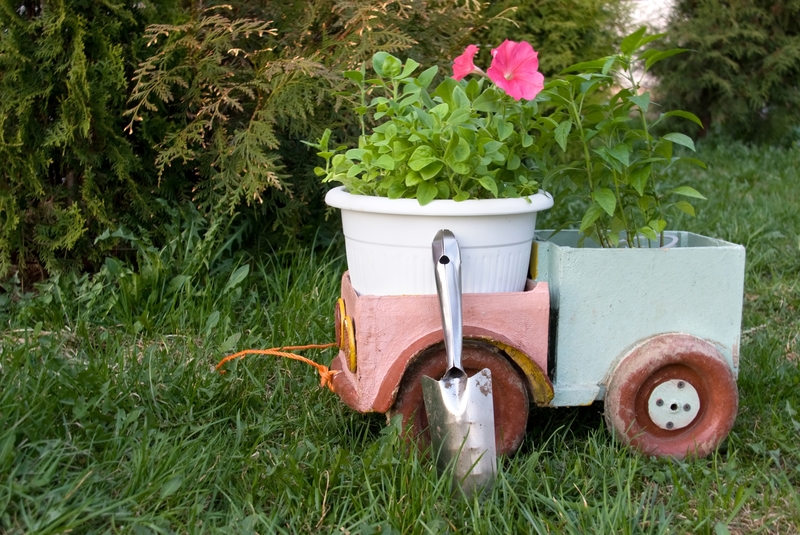
- Herb planters: Old saucepans make charming planters; drill drainage holes.
- Wall decor: Enamel lids add vintage flair in a rustic kitchen.
- Storage caddies: Larger pots can organise utensils or art supplies.
One rainy Saturday, a reader turned a dented copper pan into a basil pot for her windowsill--looked brilliant, smelled even better.
Expert Tips
- Prioritise the hierarchy: Reduce -> Reuse -> Repair -> Recycle -> Recover. Disposal is the last resort.
- Think lifetime value: A well-made pan you'll use for 10+ years beats three cheap ones you'll bin, every time.
- Check for warping: Place on a flat surface; if it wobbles, heat distribution suffers. Donation may still be fine if safe and functional.
- Mind the coatings: High-quality stainless and cast iron are straightforward to recycle and refurbish. Non-stick needs more care.
- Separate materials: Scrapyards prefer clean metal. Remove plastic/silicone/wood for better acceptance.
- Use council booking: Many London HWRCs require a booking slot; it saves time and frustration.
- Log serials/brands when reselling: Buyers love detail--diameter in cm, weight, base type, induction rating.
- Store "keepers" right: A scrap of kitchen roll between stacked pans reduces scratches; cast iron likes a light oil wipe.
- Test an heirloom: Heirloom copper often deserves retinning, not disposal. It's craft worth preserving.
- Ask for community help: Local "give and take" groups move usable items fast--someone's first flat is waiting.
Small aside: you'll notice the more intentional you are about cookware, the better your daily cooking feels. It's not just green--it's grounded.
Common Mistakes to Avoid
- Putting pans in kerbside recycling: Most councils don't accept them there; use HWRC metal bays or scrap dealers.
- Donating unsafe items: Flaking non-stick or cracked lids can be hazardous. When in doubt, recycle.
- Ignoring electrics: WEEE items must go in appropriate streams. Mixing them in general waste risks fines and harm.
- Leaving mixed materials attached: Plastic handles left on metal pans may cause rejection at metal recycling.
- Overheating non-stick: If a pan was repeatedly overheated, consider recycling; compromised coatings aren't worth passing on.
- Skipping a quick clean: Food residue can impede reuse and donation acceptance. A 5-minute clean changes outcomes.
- Throwing copper out: Copper can be restored or sold for good value. Don't bin it.
Ever hauled a box to the tip only to be sent to another bay because of one attached plastic handle? Happens all the time. Take a screwdriver first.
Case Study or Real-World Example
Case: A London Flat-Share's Spring Reset
It was raining hard outside that day. Four friends in a Brixton flat decided to clear the kitchen before a move. They had 21 items: 8 mismatched pans (two badly scratched non-stick), 6 lids, 3 baking trays, 2 well-loved cast-iron skillets, 1 copper saucepan, and 1 electric hot plate with a frayed cord.
- Audit: They grouped items and did the magnet test. The copper saucepan stood out--non-magnetic and oddly sentimental.
- Decisions: Donated three decent stainless pans and a baking tray to a local student noticeboard; reseasoned the cast-iron skillets for the new place.
- Recycling: Removed handles from two warped non-stick pans and recycled the metal bodies at the HWRC metal bay; the cracked glass lid went to the appropriate container at the same site.
- WEEE: The electric hot plate went into the HWRC WEEE container after they taped the frayed section and declared it at the gate.
- Special item: They sent the copper pan for retinning--costly, yes, but it came back gleaming and ready for another decade.
Result: 10 items diverted from landfill, 4 items donated, 1 heirloom restored. The kitchen felt lighter, and dinner tasted better (or so they claimed). Small acts, big lift.
Tools, Resources & Recommendations
For smooth, sustainable cookware disposal, these help:
- Basic toolkit: Phillips/flat screwdrivers, pliers for stubborn rivets, a utility knife for silicone trims.
- Magnet: Quick material test (ferrous vs non-ferrous).
- Scales: Optional, for scrap value estimates.
- Cleaning kit: Bicarbonate of soda, white vinegar, a non-scratch scrubber, a soft cloth.
- Seasoning supplies: Flaxseed or rapeseed oil for cast iron; a lint-free cloth; a baking tray.
- Storage items: Reusable cloths or pan protectors to extend the life of kept items.
Service types to consider (UK):
- Local council HWRC: For metal recycling, glass/ceramic sorting, and WEEE drop-off.
- Scrap metal merchants: For larger metal loads or higher-value copper/aluminium.
- Charity shops or community projects: For clean, safe, usable items.
- Specialist restorers: For copper retinning or non-stick recoating (where available).
Recommendation from years of kitchen audits: invest in a couple of high-quality, multi-use pans and care for them well. You'll replace far less, spend less, and cook more confidently.
Law, Compliance or Industry Standards (UK-focused if applicable)
Responsible cookware disposal in the UK aligns with several key regulations and standards. Here's what matters in practice:
- Waste Hierarchy (Waste (England and Wales) Regulations 2011): Enshrines the order of priority: prevent, prepare for reuse, recycle, recover, dispose. This underpins all guidance in this article.
- Environmental Protection Act 1990 & Duty of Care: Individuals and businesses must manage waste responsibly and use authorised carriers or facilities.
- WEEE Regulations 2013 (as amended): Electrical cookware (hot plates, electric woks, temperature-control devices) must be collected and treated via WEEE systems. Retailers often provide take-back for small WEEE.
- Producer Responsibility: For businesses and brands, end-of-life obligations for electrical goods may apply; ensure compliance with take-back, information, and record-keeping requirements.
- Health and Safety for Donations: Items must be safe and fit for use. Don't donate cookware with flaking coatings or structural failures.
- Industry Standards (context): While disposal isn't certified per se, cookware design and safety reference standards like BS EN 12983 (cookware for domestic use) influence materials and repair suitability. For electrical items, applicable safety standards apply under UKCA marking.
For businesses (cafes, caterers, landlords), record where your disposed cookware goes--receipts from HWRC trade facilities or licensed waste carriers can protect you in audits. Households aren't asked for the same level of documentation, but keeping things tidy and lawful just makes sense.
Checklist
Use this quick checklist to follow Best Practices for Sustainable Cookware Disposal--stick it on the fridge while you sort:
- Lay out all cookware and lids; group by material.
- Decide: keep, repair, donate, recycle.
- Remove non-metal parts before recycling metal.
- Check for WEEE items and separate accordingly.
- Clean items destined for donation or resale.
- Use the magnet test to identify scrap categories.
- Book HWRC slot (if needed) and pack items by stream.
- Consider specialist repair for quality cast iron or copper.
- Store "keepers" with protection to extend life.
- Log what you donated or recycled--it's motivating to see progress.
Two minutes to review this list before you start, and you'll save an hour of back-and-forth later. Promise.
Conclusion with CTA
Turning old pans into a positive outcome is remarkably doable. Repair what's worthy, donate what's useful, and recycle the rest through proper streams. You'll protect resources, clear your space, and--honestly--cook better with fewer, higher-quality tools. That's the quiet magic of Best Practices for Sustainable Cookware Disposal.
To be fair, it's a little admin and a little elbow grease. But once you've done it, you'll never look at a scuffed pan the same way again. In the best way.
Get a free quote today and see how much you can save.
May your next meal taste a touch brighter for it.
FAQ
What's the most sustainable way to dispose of old pots and pans?
Follow the waste hierarchy: first try reuse (donate or resell), then repair (e.g., reseason cast iron), then recycle the metal at an HWRC or scrap dealer. Only dispose to landfill as a very last resort.
Can I put cookware in my kerbside recycling bin?
In most UK councils, no. Pots and pans are usually not accepted in kerbside streams. Take them to your local Household Waste Recycling Centre (metal bay) or a scrap merchant.
How do I recycle non-stick pans with Teflon-type coatings?
Remove plastic or wooden handles, then place the metal body in the scrap-metal container at your HWRC. Specialist facilities manage composite metals; most councils accept pans even if coated, as the metal is recovered.
Is it safe to donate a pan with minor scratches?
Light cosmetic scratches are fine if the coating is intact and not flaking. Heavily scratched non-stick or cracked items shouldn't be donated. Safety first.
What about glass or ceramic lids--how should I dispose of them?
Check local guidance. Many HWRCs accept tempered glass separately from bottle banks. If chipped or cracked, avoid donation and use the appropriate container at the HWRC.
Are cast iron pans worth restoring?
Absolutely. Cast iron can last a lifetime. Remove rust, wash, dry fully, and season with thin layers of oil. It's often the most sustainable and cost-effective option.
Do retailers accept old electrical cookware?
Many UK retailers provide WEEE take-back for small electricals. Otherwise, take electric hot plates or similar items to the WEEE section of your HWRC. Remove any batteries and recycle separately.
Can copper pans be recycled or should I retin them?
Both are viable. Copper has good scrap value, but quality copper pans can be re-tinned and used for decades more. If it's a solid, well-made piece, retinning is often the sustainable choice.
How can I tell if a pan is aluminium or steel?
Use a magnet. If it sticks, it's likely steel or cast iron. If not, it could be aluminium or copper. Non-ferrous metals often have higher scrap value.
Are silicone and plastic handles recyclable?
Sometimes, but not always via household streams. Remove them from pans to allow the metal to be recycled. Check your local council for specific advice on silicone and mixed plastics.
What if my council site is far--any alternatives?
Consider a licensed waste carrier for a small collection, especially if you have other bulky items. Some communities host reuse days or charity collection events--handy and community-minded.
Will recycling cookware really make a difference?
Yes. Recycling aluminium saves up to 95% of the energy versus new production, and steel recycling saves roughly 70%-74%. It reduces emissions and preserves natural resources--small actions, real impact.
Can I sell old cookware for scrap?
Yes, particularly non-ferrous metals like copper and aluminium. Prices vary by weight and market rates. Remove non-metal parts for the best acceptance and clarity.
Should I remove rivets or just the handles?
Remove what you reasonably can. Handles and obvious non-metal parts are key. Rivets can be left if they're metal; focus on plastics, wood, and silicone pieces first.
Any quick way to decide if a pan should be kept?
Ask: Does it heat evenly? Is it safe? Do I use it at least monthly? If no to two of those, consider donation or recycling. Simple rules save time.
What's the best way to store the pans I keep?
Dry thoroughly, add a light oil coat to cast iron, and place a soft cloth between stacked pans. Avoid metal-on-metal scraping to extend life.
Can I upcycle cookware safely for the garden?
Yes--clean thoroughly and drill drainage holes for planters. Avoid using for edible plants if coatings are peeling; bare stainless, cast iron, or copper planters are usually fine for herbs with liners.
Do I need proof of disposal?
Households generally don't. Businesses should keep records from licensed carriers or HWRC trade sites to demonstrate Duty of Care compliance.
Is there any harm in keeping "just in case" pans?
A few backups are fine, but excess clutter reduces kitchen efficiency and can lead to more waste over time. Keep what you use; pass on the rest with purpose.
Turning Cast-Off Cookware into Environmental Opportunities isn't a slogan--it's a set of small, doable actions. One pan at a time. One cupboard at a time. You've got this.